NCSM offers two-year four-semester M.Tech. Course in Science Communication under recognition of the Jawaharlal Nehru University (JNU), New Delhi on an off-campus mode (NCSM Kolkata Ordinance, 2023). The key purpose of the M.Tech (post MSc/ B.Tech) Course is to provide intensive pedagogical training and extensive professional exposure to the current & aspiring science communicators through the structure of a devised academic regime with faculty support from leading institutions in India and abroad. Presently, the course is running from January 2024, in which 15 candidates are enrolled.
Science and Technology (S&T) significantly contribute to personal, social, national, and global progress. Governments worldwide prioritize public appreciation of S&T, creating a growing need for professional science communicators. These communicators are essential for educating the public using modern communication methods, helping individuals make informed decisions in today's technology-driven world. In India, there is increasing demand for graduates of Science Communication in fields such as science museums, government departments, mass media, research laboratories, and NGOs. They play a key role in promoting science through educational programs and corporate marketing.
The Indian Constitution emphasizes the importance of scientific temper, humanism, and inquiry through Article 51A(h), highlighting the need for science popularization. The S&T Policy of Govt. of India stresses the dissemination of scientific knowledge to the public. Various government departments, R&D labs, and educational institutes are focused on promoting science awareness, creating a growing demand for trained professionals in science communication. This makes the course an excellent opportunity for students aiming to contribute to these fields.
The programme aims to develop individual science communicators who are able to adopt an informed, responsive, discipline-relevant and critically reflective approach to the practical delivery of science communication of high standard. The potential candidates are:
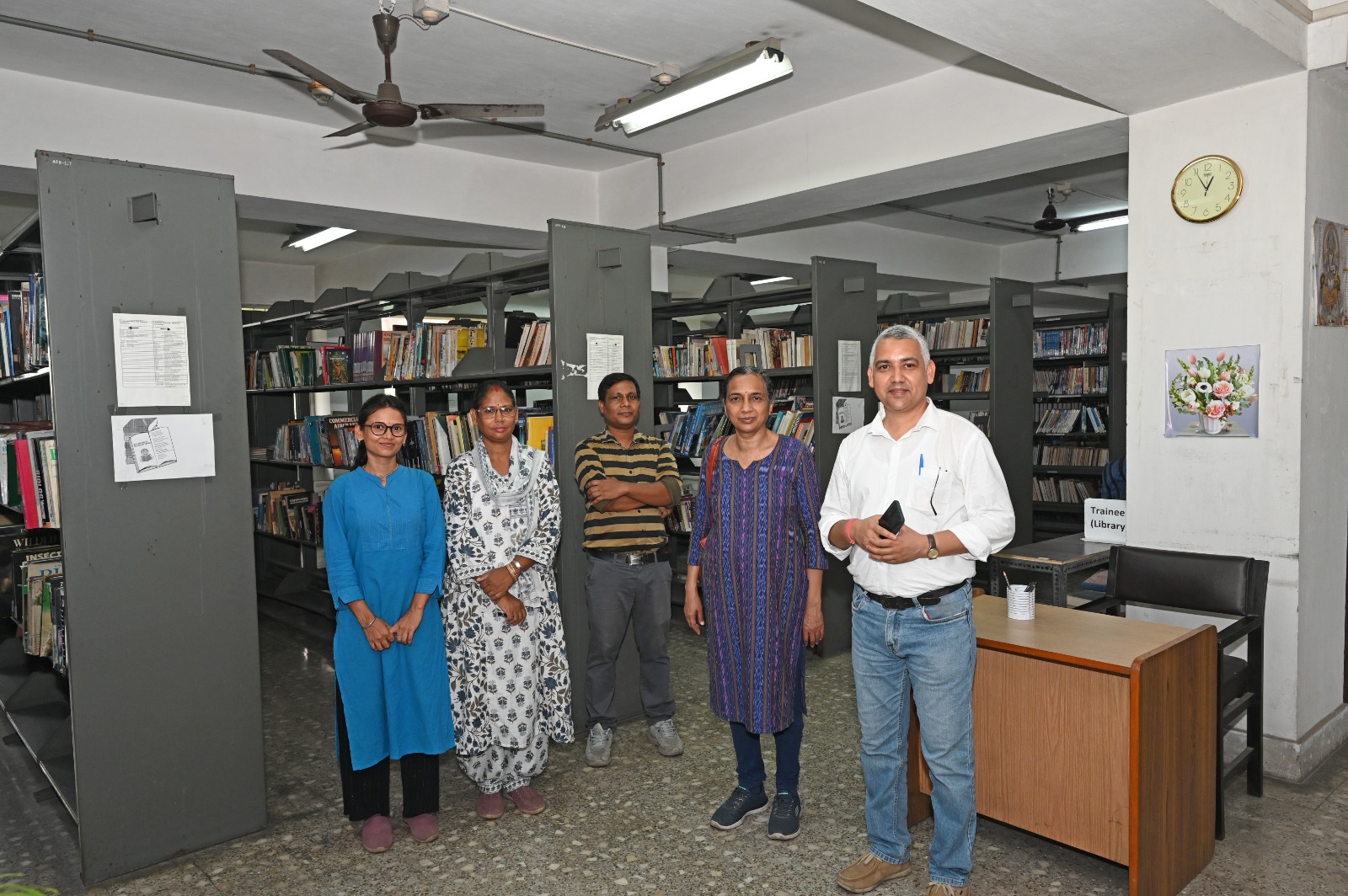
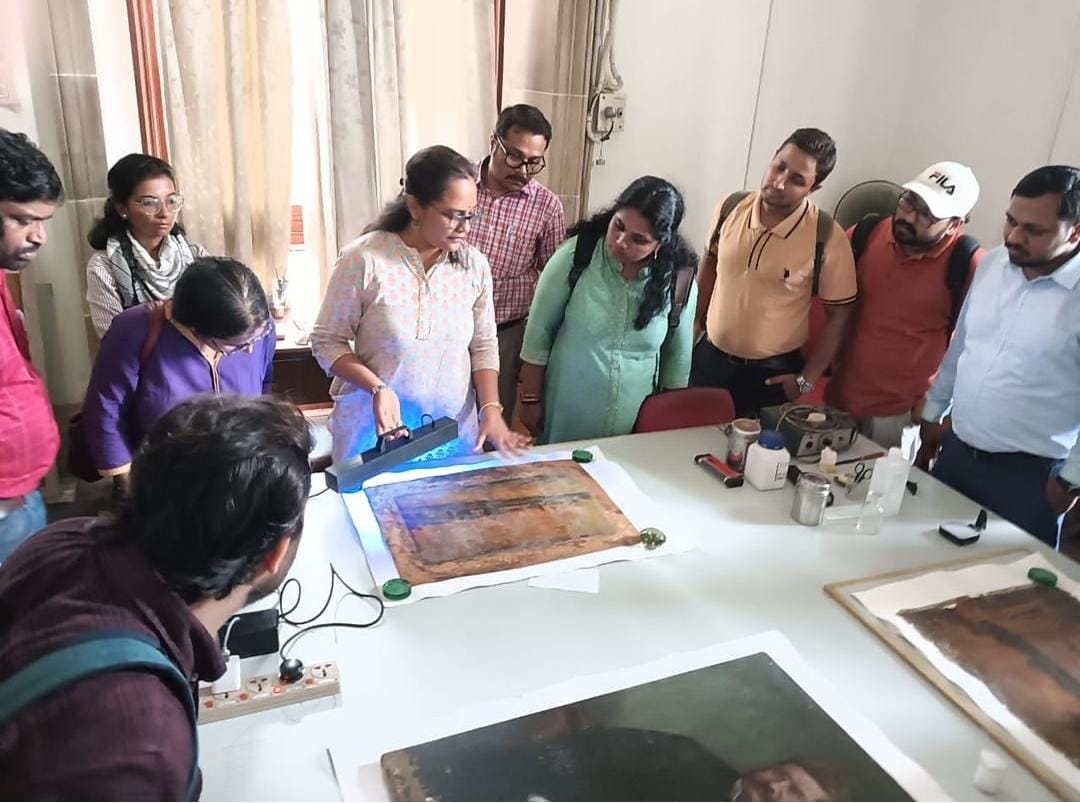
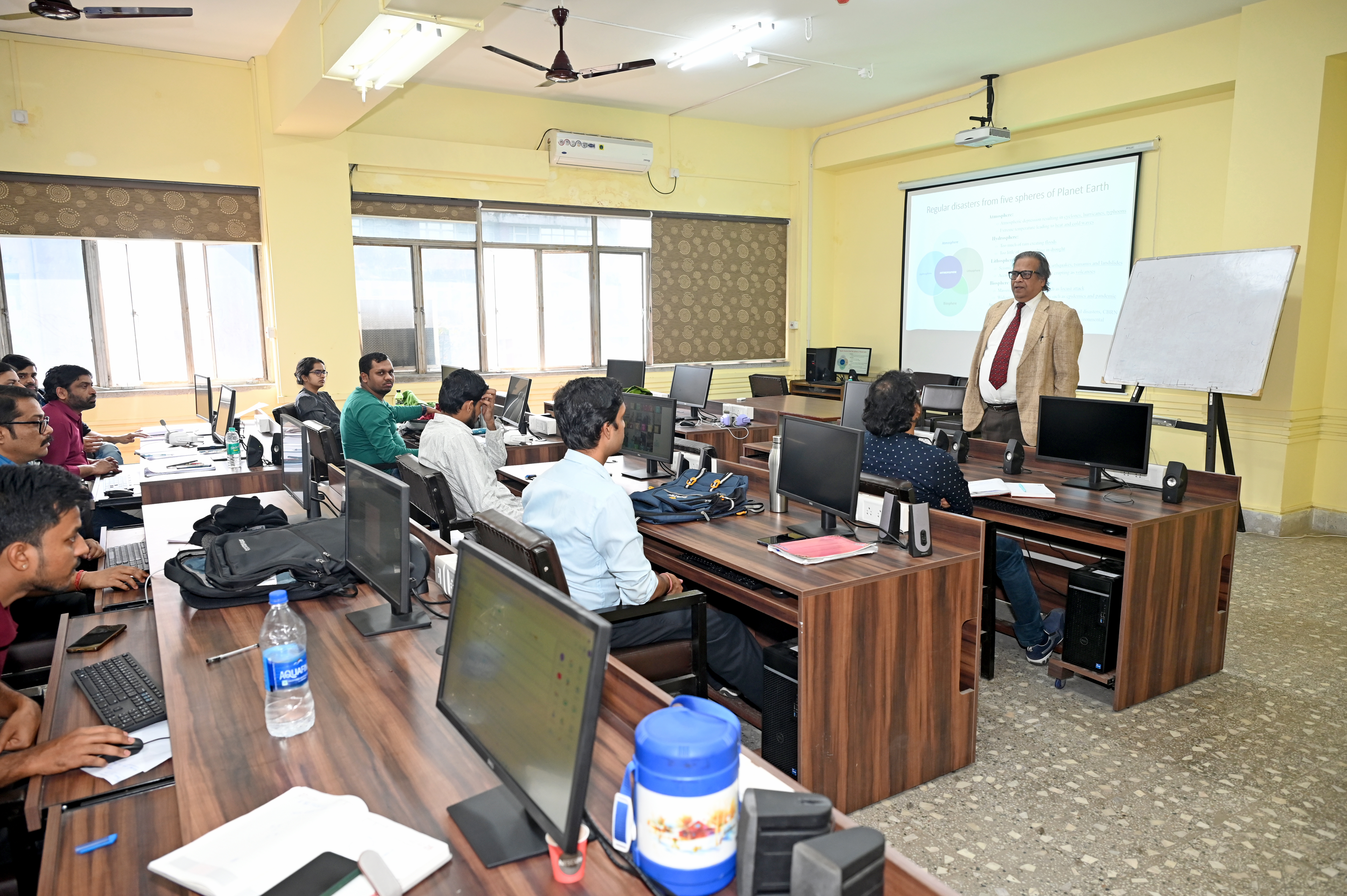
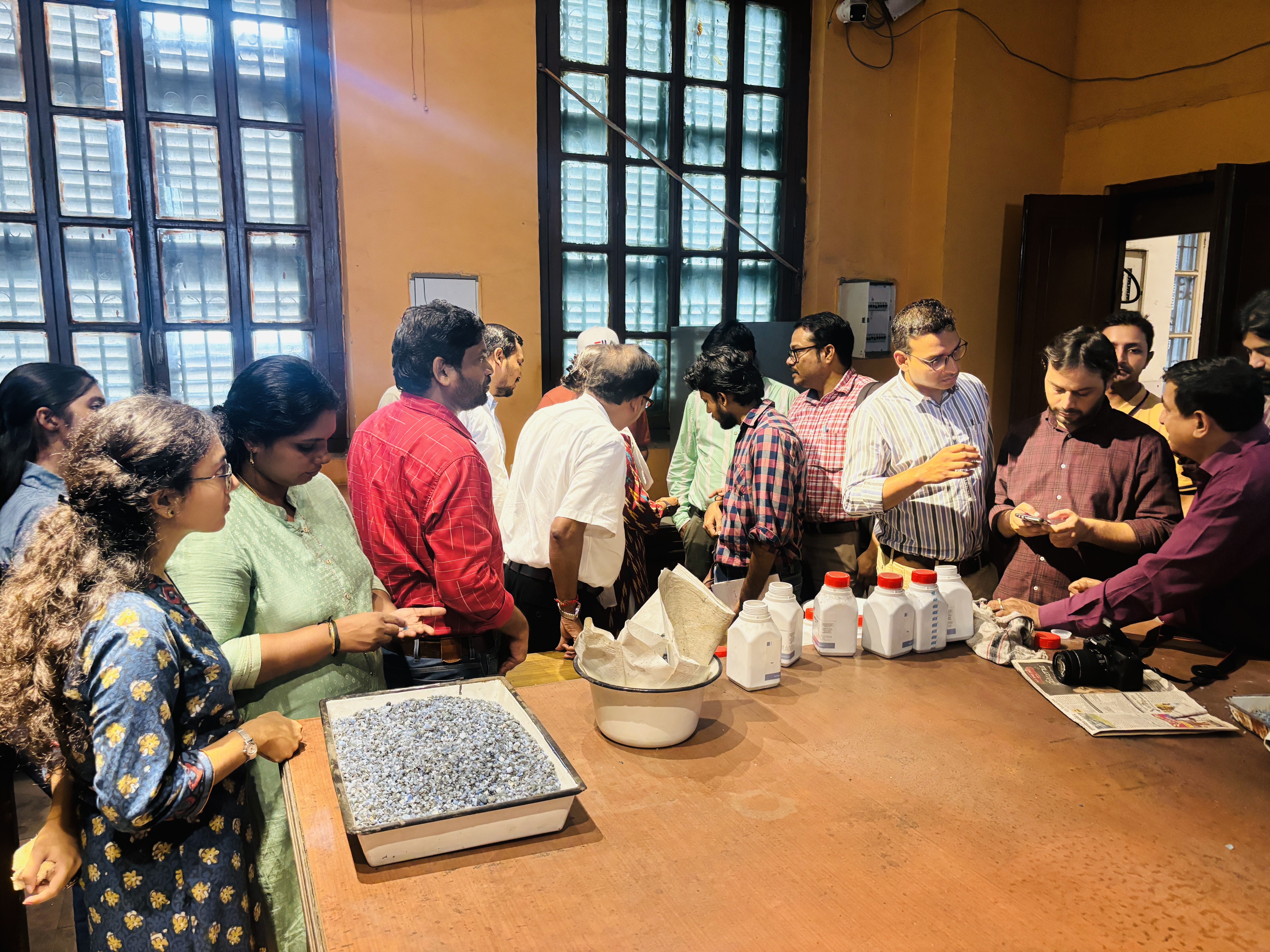
The course at the institution is supported by state-of-the-art infrastructure, including modern classrooms, state-of-the-art teaching aids & tools with broadband Internet connectivity, large screen projection systems, video-conferencing facility and a dedicated computer lab for hands-on learning. Students have access to a well-stocked library, online databases, and collaborative spaces to foster creativity. Additionally, the institution provides opportunities for field visits and workshops. On their deployment at various science museums/ centres, MTech fellows are provided with full access to available resources of respective centre. During the contact sessions at NCSM (Hqrs), accommodation and canteen facility make the students’ stay pleasant.
Admission procedure: Admission to the course is strictly based on all-India admission test and interview. The test will evaluate the candidates’ scientific general knowledge, critical thinking ability and linguistic fluency. However, for candidates sponsored by NCSM or any other organization, no admission test will be taken, provided the candidates possess the essential qualifications. Preference is given to sponsored candidates from NCSM, other Science Museums, DST of State Governments, State Councils for S&T, and DST, Govt. of India, etc. The sponsored candidates shall not be considered for the fellowship.
Total intake: 20 (M.Tech fellowships to deserving fresh students: 15 and Sponsored candidates: 5)
A Candidate shall be considered for admission to the M. Tech. programme if he/she possesses:
Candidates with Ph.D. (in Science or Engineering) or M.Tech. in Engineering may also apply. For such candidates, the minimum marks at M.Sc./B.E./B.Tech. level can be relaxed.
Age limit: The upper age limit for candidates is 30 years as on the date of admission, i.e. 1st July. For sponsored candidates, the upper age limit is 45 years.
There is no application fee.
Admission fee: There is a nominal and non-refundable admission fee of Rs. 2000/- per candidate. For candidates belonging to SC/ST/OBC/PWD/EWS categories, the admission fee is Rs. 1000/-.
There is no Semester fee. For all candidates, the monthly and non-refundable Tuition Fee is Rs. 2000/- except for those belonging to SC/ST/OBC/PWD/EWS categories who are not required to pay any tuition fee.
Free bachelors’ hostel accommodation (both ladies and gents) will be available in Kolkata.
NCSM offers a monthly fellowship of Rs. 12,000/- to all candidates except to the sponsored candidates. The fellowship will be offered for two years subject to satisfactory performance by the student. NCSM also offers Rs. 12,000/- contingency grant per annum to all candidates (except to the sponsored candidates) for purchase of books, stationeries etc. For candidates sponsored by NCSM, such contingency expenditure may be reimbursed by the respective zonal headquarters.
Candidate shall not discontinue the Fellowship before completion of the tenure. Candidate shall be liable to refund the entire Fellowship received by him/her during the period of the Fellowship to the Council, in case he/she discontinues the Fellowship at any time during the 2 years period.
The admission to new batch for the course begins in July, and the brochure along with the application forms are uploaded to the website in January.









 Screen Reader Access


